
Sheitels: The Complete Buyer's Guide | Beka Wigs

A guide to what a sheitel is, how a quality one is made, what to look for when you buy, and what a piece is worth across the price spectrum. Written by the Beka Wigs studio.
What is a sheitel?
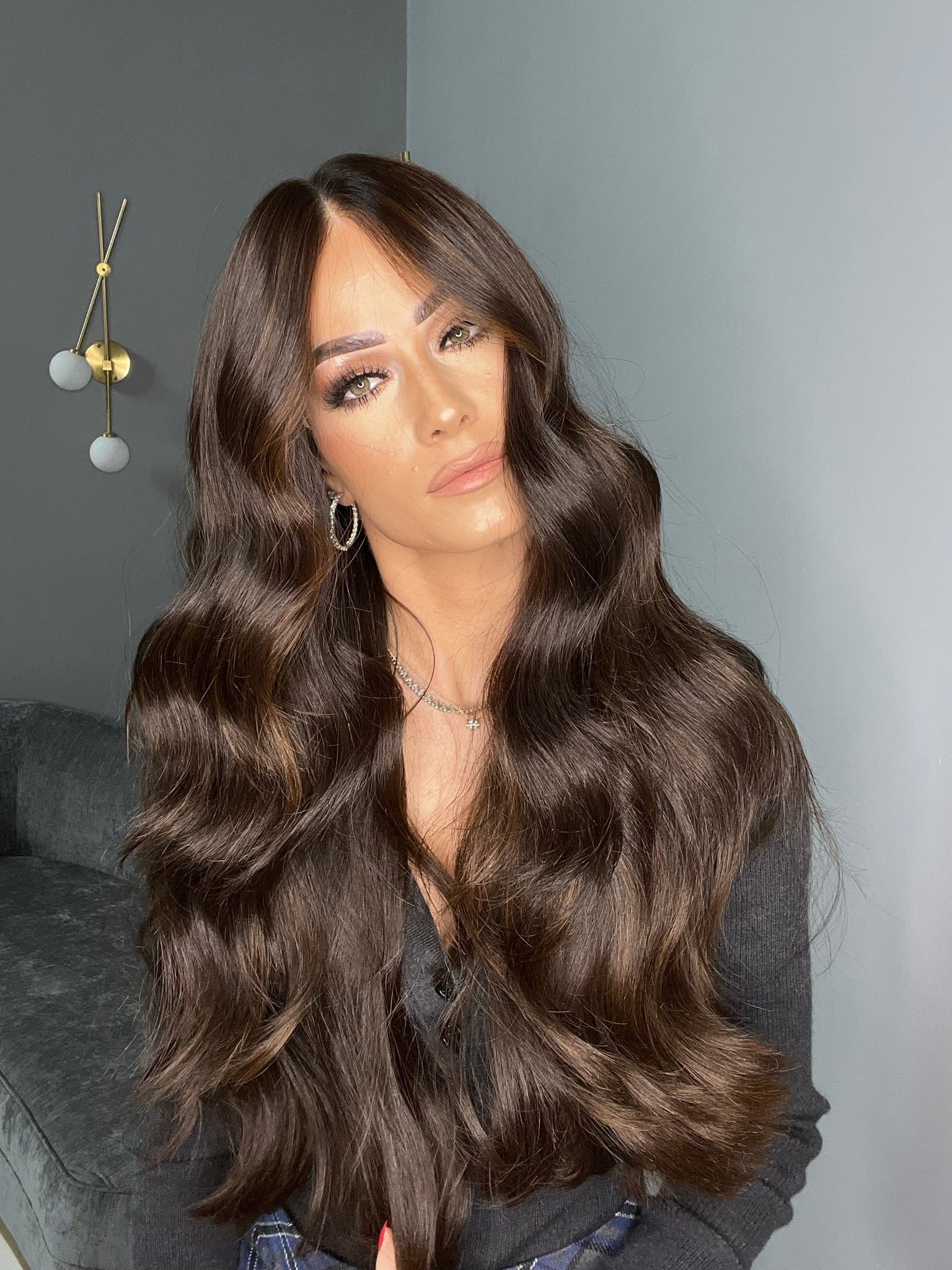
A sheitel is a wig traditionally worn by married Orthodox Jewish women as a form of hair covering. In modern practice, the sheitel has evolved into a refined category of human hair wig — designed to look undetectable, custom-fitted, and built to last years of daily wear.
For many women today, the sheitel is also worn outside religious context as the highest standard of luxury human hair wig construction. The materials, the technique, and the finish are the same whether the piece is bought for halachic observance or for any other reason — and that's why "sheitel-quality" has become shorthand in the wig world for the best of the craft.
The tradition behind the sheitel
The practice of covering one's hair after marriage is rooted in Jewish law and has been observed in some form for centuries. The sheitel — a hairpiece designed to be worn full-time in place of one's own hair — emerged as a way to honor the practice while preserving the wearer's confidence and natural appearance in daily life.
Because a sheitel is worn every day, often for many hours, and because it represents the wearer's public presence, the standards for what makes a "good" sheitel have always been unusually high. A sheitel is expected to look indistinguishable from real hair at conversation distance, to feel comfortable in long wear, and to last for years. Those expectations have shaped the entire premium wig industry — most of the best human hair wig makers in the world come out of the sheitel tradition.
What makes a sheitel different from a regular wig?
Three things separate a sheitel from a typical retail wig: the hair, the cap, and the finish.
The hair. Sheitels are almost always made from cuticle-aligned human hair sourced from Europe or Russia — hair that has its cuticle intact and running in the same direction, so the strands move and shine like the wearer's own hair. Lower-grade wigs use shorter-fiber, mixed-direction, or chemically-stripped hair that tangles and dulls quickly.
The cap. Sheitels are built on hand-tied caps, often with a silk top and lace front, so the parting and hairline look like real scalp. Mass-market wigs use machine-wefted caps, which are cheaper but visibly less natural.
The finish. A sheitel is finished by hand — the perimeter, the parting space, the density at the hairline — so the piece sits like real hair rather than reading as "wig" up close. This finishing stage is what most often distinguishes a $500 wig from a $5,000 one.
Types of sheitels
Custom vs. ready-to-wear
A custom sheitel is built to your measurements, your color, your length, and often your specific cap construction. The hair is selected for you, the cap is sized in person or remotely, and the piece is finished to your specifications. Lead time runs four to twelve weeks. Custom is the standard for the most particular buyers and for anyone whose head shape or hair preferences fall outside the standard size run.
A ready-to-wear sheitel is a finished piece you can buy and wear immediately. The best ready-to-wear sheitels are made to the same craftsmanship standards as custom — same hair, same cap construction, same hand-finishing — they're simply built in standard sizes and standard color blends. For most buyers, a ready-to-wear sheitel from a serious studio is indistinguishable from custom.
European, Russian, and Indian hair
European hair — sourced primarily from Eastern Europe — is the most refined option. It's typically fine in texture, soft, and naturally available in a wide range of blonde and brown shades. European hair is the standard for the finest sheitels in the world.
Russian hair — sourced from Slavic regions — is similar to European in cuticle quality but slightly thicker in strand, with excellent body and movement. Russian and European hair are often blended in the same piece for an ideal balance of refinement and fullness.
Indian hair is more readily available and accounts for the bulk of the global human-hair wig supply. It can produce beautiful, durable pieces, but the texture is generally thicker and the color base much darker than European or Russian hair, requiring more processing to lift into blonde or light brown shades. For the finest sheitels, European and Russian hair is the gold standard.
Cap construction
Silk top with lace front attached — the standard luxury construction. A silk fabric panel hides the knots at the parting, and a lace front melts the hairline into the skin. Undetectable at every angle.
Silk top with detachable lace front — same construction, but the lace front piece attaches and detaches for clients who want flexibility in how the perimeter sits.
Silk top, no lace — a traditional silk top finish without any lace at the front. Lighter and cleaner along the perimeter, but the hairline reads less like real scalp than a lace-front build.
Lace top — a lace panel at the parting instead of silk. More comfortable in heat, less visually undetectable up close than silk top.
For a closer look at construction differences, see our Silk Top with Lace Front Attached, Silk Top with Detachable Lace Front, and Silk Top No Lace collections.

How a quality sheitel is made
A premium sheitel begins with raw hair selection. Bundles of cuticle-aligned European and Russian human hair are inspected, sorted for length and color base, and matched to the piece being built. Hair that has been chemically stripped, mixed across donors, or sourced from unidentified origins doesn't pass the standard.
The cap is then built — hand-tied knot by knot into a lightweight, breathable base. Silk panels and lace fronts are integrated during cap construction, not glued on after. Hand-tying is what allows individual hairs to fall in different directions, the way they do on a real scalp.
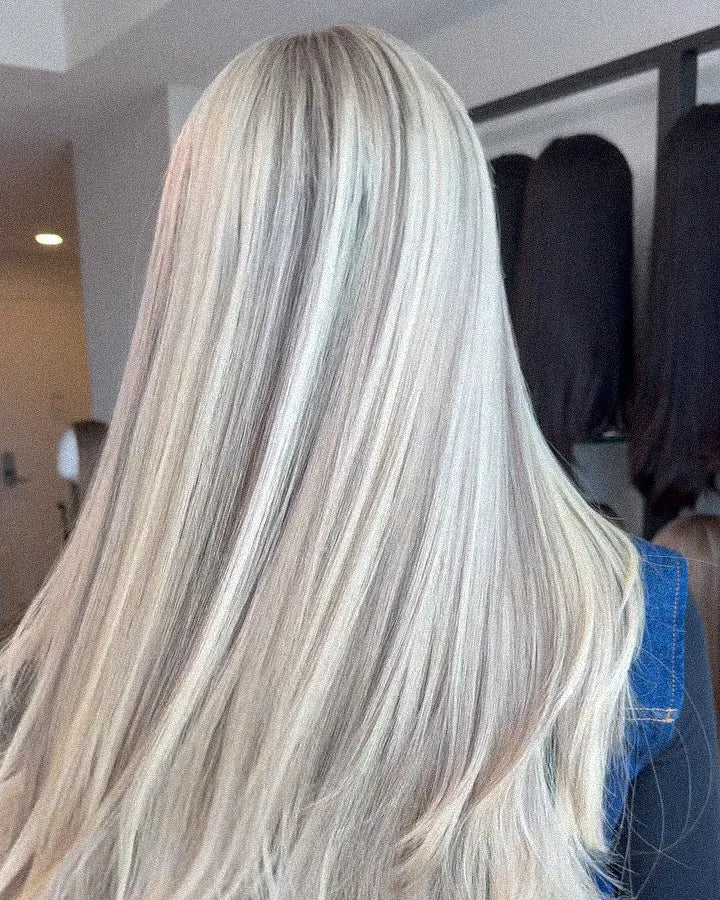
Color comes next. For dimensional pieces — balayage, money pieces, ombre transitions — the colorist works strand by strand to lift, deposit, and blend tones across the length of the hair. This is the stage that separates a flat-color wig from one that reads as real lived-in hair.
Finally, the piece is hand-finished. The hairline is refined, the perimeter is cleaned, the density is balanced, and the parting space is shaped. At Beka Wigs, every sheitel is hand-finished personally before it leaves our Brooklyn studio.
How to choose your sheitel
The four decisions that determine whether your sheitel feels right for you:
Color
Skin undertone is the first filter. Warm undertones pair beautifully with caramel, honey, chocolate, and warm chestnut shades. Cool undertones suit ash brown, ice blonde, and cool dark shades. For dimensional color — balayage, money pieces, soft ombre — the goal is to match the kind of color natural hair develops in sunlight rather than a uniform "dye job" finish.
Length
The most-chosen length is 18 to 22 inches — sits between the shoulder and the mid-back, feels manageable, and reads as natural daily-wear hair. Shorter pieces (12 to 16 inches) are the easiest to maintain. Longer pieces (24 to 30 inches) require more care but make the strongest impression. For length context, see our 12–18 Inch and 19–24 Inch collections.
Density
Most ready-to-wear sheitels are built at a medium-to-full density appropriate for daily wear. Heavier density looks fuller in photos but can feel hot and visually overbuilt. Lighter density is more breathable and more natural-looking in person. The right density depends on your own hair history and your lifestyle.
Cap construction
If you want the most undetectable look at every angle, silk top with lace front attached is the standard. If you want flexibility, choose detachable. If you prefer a traditional finish without lace, silk top no lace. The right cap is the one that matches how you actually wear hair day-to-day.
What a quality sheitel costs
A serious sheitel ranges from roughly $1,500 at the entry point to $10,000 and beyond for one-of-one custom pieces. The cost is driven by four factors: the hair, the cap, the color work, and the finishing.
$1,500–$3,000 — entry-level human hair sheitels. Often Indian hair, machine-wefted or partially hand-tied caps, simpler finishing. Wearable but visibly different from luxury construction up close.
$3,000–$6,000 — the standard luxury sheitel range. European and Russian hair, hand-tied caps with silk top and lace front, hand-finished perimeter. The pieces that look indistinguishable from real hair in everyday wear. Most of our Signature Collection sits in this range.
$6,000–$10,000+ — rare hair and made-to-measure work. Specialized color, specialized cap construction, one-of-one length and density work, made-to-measure fittings. Our a href="/en-ae/collections/premium-luxury">Private Collection pieces live here.
For most buyers, a $4,000–$6,000 sheitel from a serious studio is the right investment — high enough to capture the full construction standard, sustainable enough to wear for years.
Caring for your sheitel
A well-made sheitel lasts multiple years of daily wear with proper care. The essentials:
Wash gently. Use sulfate-free shampoo, cool to lukewarm water, and avoid rubbing the cap or the lace front. Deep condition the hair regularly, especially the ends. Air-dry on a wig stand whenever possible.
Avoid daily high heat. Heat styling is fine because the hair is real, but daily exposure to high temperatures shortens lifespan. Use heat protectant. Lower temperatures when possible.
Store flat or on a stand. A canvas wig head or velvet stand keeps the cap in shape between wears. Avoid storing the piece compressed in a drawer.
Bring it in for refresh. A good studio can clean, recondition, refresh color, and re-finish your sheitel as needed — extending its life well beyond the first year.
The Beka Wigs approach to sheitels
Beka Wigs is a luxury sheitel maker based in Brooklyn. Every piece is built from cuticle-aligned European and Russian human hair, hand-tied at our studio, and hand-finished personally by Rivka before it leaves the house. We work in three lines:
The Essential Collection — foundational sheitels in clean color and standard cap construction, for daily wear.
The Signature Collection — the heart of the studio's signature work. Dimensional color, full range of lengths and constructions, the pieces we're most known for.
The Private Collection — one-of-one custom commissions, by appointment at our Brooklyn studio or by private remote consultation.
Every piece is serial-numbered and authenticated. For a private fitting or a custom inquiry, contact the studio directly.

Frequently asked questions
How much does a sheitel cost?
A quality sheitel ranges from roughly $1,500 at the entry point to $10,000 and beyond for one-of-one custom work. The standard luxury sheitel sits in the $3,000 to $6,000 range — European and Russian hair, hand-tied silk top with lace front, hand-finished perimeter.
How long does a sheitel last?
A well-made sheitel lasts multiple years of daily wear with proper care. Lifespan depends on how often it's worn, how it's washed, and how often heat styling is used. A studio can refresh a sheitel — color, cleanup, re-finishing — to extend its life beyond the first year of regular wear.
What's the difference between European hair and Russian hair sheitels?
Both are cuticle-aligned, premium-grade human hair. European hair is typically finer and slightly softer, with a natural range of blonde and brown shades. Russian hair is similar in cuticle quality but slightly thicker in strand, with strong body and movement. Many of the best sheitels blend the two for an ideal balance.
Can you wash a sheitel?
Yes. Use sulfate-free shampoo, cool to lukewarm water, and a gentle motion that doesn't rub the cap or lace front. Deep condition regularly, especially the ends. Air-dry on a wig stand whenever possible. Avoid daily washing — once every two to three weeks is the standard for most wearers.
Custom vs. ready-to-wear — which is right for me?
For most buyers, a high-quality ready-to-wear sheitel from a serious studio is indistinguishable from custom in look and feel. Custom is the right choice when your head shape, color preference, or specific construction needs fall outside the standard size run, or when you want one-of-one work that doesn't exist in any collection.
Can a sheitel be styled like real hair?
Yes. Because the hair is real human hair, you can curl, straighten, blow-dry, deep condition, and even color-refresh a sheitel exactly the way you'd treat your own hair. Heat protectant is recommended for any heat styling. Color refresh and cuts should be done by a stylist familiar with wig work.
Where can I see a Beka Wigs sheitel in person?
By appointment at our Brooklyn studio. For private fittings, custom inquiries, or remote consultations, contact the studio directly through our contact page.
What's the best length and density for a first-time sheitel?
For most first-time buyers, 18 to 22 inches at a medium-to-full density is the right starting point. The length sits between the shoulder and the mid-back, the density looks full but not overbuilt, and the piece reads as natural daily-wear hair. Adjustments can be made in person or in consultation.